O'Neil Property Group

The Lilac Village—a town of roughly 44,000 in central DuPage County, about 20 miles west of the Loop, built around a walkable downtown on the Union Pacific West Metra line, Lilacia Park’s spring bloom, and some of the most attainable single-family blocks in the county.
Lombard is the western suburbs without the markup—a village of roughly 44,000 in central DuPage County, about 20 miles west of the Loop, with a genuine downtown, its own Metra station, and a housing stock that still lets ordinary budgets buy a detached home in a county where that is getting harder every year. The town has been at it a while: settled in the 1830s along the DuPage River’s East Branch, incorporated in 1869, and famous since 1930 for Lilac Time, the two-week May festival built around Lilacia Park’s hundreds of lilacs and tens of thousands of tulips. Locals just call it the Lilac Village.
The housing stock reads like a timeline. Victorian-era and early-1900s homes cluster around downtown and Maple Street near Lilacia Park; brick bungalows and post-war capes and ranches fill the blocks north and south of the tracks; split-levels and two-stories from the 1960s–1980s spread toward the edges; and condo and townhome communities—heaviest around Yorktown on the south side—give downsizers and first-time buyers an entry point in the $100s and $200s. What Lombard mostly does not have is big-money teardown streets, and that is exactly why its price-per-square-foot stays reasonable for the county.
The commute holds it together. The Lombard Metra station sits downtown on the Union Pacific West line, with runs into Ogilvie Transportation Center generally in the 30–40 minute range and faster express trips at peak. Drivers are minutes from I-355, I-88, and Route 83, with North Avenue and Roosevelt Road carrying the east–west load and O’Hare a practical half-hour run in normal traffic.
Who fits here? Buyers priced out of Glen Ellyn, Elmhurst, and Downers Grove who still want a train town with a downtown; first-time buyers using the bungalow and ranch stock as the county’s on-ramp; and downsizers moving into the Yorktown-area condo market without leaving their doctors, church, or grandkids. Who doesn’t: buyers set on new-construction subdivisions—Lombard is essentially built out, and the new-build action here is infill, not neighborhoods. We tell clients honestly when a town further west serves that goal better.
The UP-West line is the spine, with the downtown Lombard station flanked by Villa Park and Glen Ellyn stops a few minutes either way. I-355 runs the west side of town and I-88 crosses just south, putting the whole tollway network within minutes. St. Charles Road, North Avenue (Route 64), Roosevelt Road (Route 38), and Butterfield Road carry daily traffic east–west, and Main Street and Westmore-Meyers run the north–south load. Cyclists get the Great Western Trail and the Illinois Prairie Path, both of which cross town.
Lombard runs two markets side by side—a quick-moving detached market in the $300s and $400s, and a deep attached market around Yorktown that opens the town from the mid $100s.
Broad value measures for Lombard sit in the high $300s, with steady single-digit annual appreciation in recent years. Blocks close to downtown and the Metra station price above that; the attached stock around Yorktown prices well below it. For central DuPage, that number is the story—most neighboring train towns cleared it long ago.
Condos start in the mid $100s, townhomes mostly trade in the $200s and low $300s, the core detached market runs the low $300s through the low $500s, and expanded or newer homes on the best blocks reach into the $600s and beyond. Almost every budget has a real door into this town.
Well-priced detached listings in Lombard routinely go under contract within the first two weeks, often faster in the spring. The attached market moves in a lower gear and leaves more room to negotiate. Buyers here win with preparation—pre-approval, instant alerts, and same-day showings.
A typical week carries somewhere between one and two hundred active listings across all property types. That splits across detached blocks, a dozen condo and townhome communities, and every price band—so the specific search most buyers actually want is usually a short list that moves fast.
Effective property tax rates in Lombard generally run in the low-to-mid 2% range, with median bills in the high $6,000s—a touch above the DuPage County norm on rate, but on a lower-priced home the dollar bill often lands below neighboring towns. We pull the actual tax bill on every property before a client writes.
Detached homes appreciate steadily and sell competitively. The condo and townhome stock—concentrated around Yorktown and the Butterfield corridor—is the value door: cheaper entry, softer appreciation, and association rules that need reading. Pricing, offers, and inspections all differ by segment, and we work both weekly.
A Victorian core, post-war bungalow blocks, edge subdivisions, and a deep condo market around Yorktown—here’s how the Lilac Village actually breaks down for buyers.
The streets around the Metra station, Maple Street, and Lilacia Park—Victorian-era and early-1900s homes within a walk of the train, the library, and the Lilac Time festival grounds. The most durable premium in town lives on these blocks.
Search Lombard Homes →North of St. Charles Road toward North Avenue—post-war capes, brick ranches, and split-levels on established blocks, with the Great Western Trail running through and quick access to the North Avenue corridor for commuters heading either direction.
Browse 3+ Bedroom Homes →Between the tracks and Butterfield Road—1950s–1970s ranches and two-stories around Madison Meadow Park and the Main Street corridor, generally with more yard per dollar than the walk-to-train zones north of them.
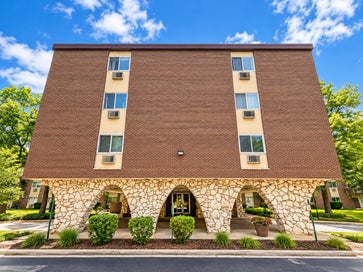
Browse 4+ Bedroom Homes →The south-side district around Yorktown Center, mid-redevelopment into a mixed-use hub—and home to Lombard’s deepest attached stock, including communities like Yorktown Green and Cove Landing, steps from I-88 and I-355.
Browse Condos →Brick bungalows, capes, and ranches along the Westmore-Meyers corridor near the Villa Park border—some of the most attainable detached blocks in central DuPage, close to Glenbard East and the Prairie Path.
Browse Under $300K →South of Roosevelt Road, an unincorporated pocket with Lombard addresses—ranches and custom rebuilds on generous lots where buyers trade sidewalks for space. Utility, tax, and district details differ from in-village blocks, and we verify them per address.
Browse $300K–$500K →Active MLS listings across Lombard, updated in real time. The specific home most buyers want here—the right price band, the right side of the tracks, the right walk to the train—is usually a short list, so alerts and speed matter.
Most of the village is served by Lombard Elementary District 44 for elementary and middle grades and by Glenbard Township High School District 87, whose Glenbard East campus sits on Lombard’s east side. Portions of town fall in neighboring districts.
A K–8 district operating neighborhood elementary schools across the village plus Glenn Westlake Middle School—most students attend a school inside their own part of town.
One of District 87’s four comprehensive campuses, located on Main Street on Lombard’s east side, serving most of the village along with parts of neighboring communities.
Southern and eastern edges of Lombard fall in School District 45 territory feeding Willowbrook High School (DuPage HSD 88), and some northern addresses are served by Marquardt District 15—boundaries here genuinely run street by street.
Montini Catholic High School operates in Lombard as a private 9–12 option, and the College of DuPage’s main campus is a short drive west in Glen Ellyn.
Note: School and attendance boundaries in and around Lombard do not follow village limits—several districts serve different parts of town, and boundaries change. Always verify the current school assignment for any specific address directly with the district before you buy—our team confirms this on every showing.
The village’s signature is an 8.5-acre garden park a block from the train station, planted with hundreds of lilacs and tens of thousands of tulips from the estate of Colonel William Plum. Every May since 1930, Lilac Time fills two-plus weeks with garden walks, events, and a parade that closes the season—the kind of tradition that explains why families stay for decades.
Downtown Lombard clusters around the Metra station at St. Charles Road and Main Street—restaurants, taverns, coffee, and local shops, plus the Helen Plum Library’s modern building and the Lombard Historical Society’s Victorian-era museum nearby. It’s a working downtown at a scale you can learn in a weekend.
Yorktown Center on the south side has anchored regional shopping since the 1960s and is now in a long-term redevelopment adding apartments, dining, and entertainment around the mall core. For homeowners nearby, it’s a rare suburban story: new investment arriving next to established neighborhoods.
The Lombard Park District runs a full system—Madison Meadow’s fields and athletic center, Paradise Bay Water Park for the summer, Sunset Knoll’s recreation programs, and Western Acres Golf Course on Butterfield Road—so the daily quality-of-life infrastructure is inside town, not a drive away.
Both the Great Western Trail and the Illinois Prairie Path cross Lombard, linking the village into DuPage County’s trail network—ride east toward Villa Park and Elmhurst or west toward Wheaton without fighting traffic. Churchill Woods Forest Preserve sits just past the western edge.
Roosevelt Road and Butterfield Road carry the big-box and grocery load across the south side, North Avenue covers the north, and Oakbrook Center—one of the region’s largest shopping centers—is roughly ten minutes east. Day-to-day Lombard rarely requires a tollway.
The pattern repeats: buyers want a train town with a real downtown, discover what the same house costs in the neighboring suburbs, and land in Lombard. City transplants keep the Metra commute and gain a yard; first-time buyers get central DuPage without stretching; downsizers move into the Yorktown-area condo stock and stay close to everything they know.
Housing runs from mid-$100s condos to $600K+ on the best detached blocks, with the core of the market in the $300s and $400s—below most of Lombard’s east-side neighbors. Effective tax rates generally sit in the low-to-mid 2% range with median bills in the high $6,000s, and the lower price base keeps the monthly math friendlier than the county’s headline towns.
One ZIP code—60148—covers the village, but school district boundaries genuinely vary street by street, and pockets like York Center are unincorporated with Lombard addresses, so utilities, taxes, and services need per-address verification. Water is Lake Michigan-sourced through the DuPage Water Commission, with ComEd and Nicor for utilities. We check all of it before you write.
Your commute becomes a walk or a five-minute drive to the station, your May fills with Lilac Time, and your errands stay on Roosevelt and North Avenue instead of the tollways. In exchange, expect competition when you buy—the well-priced detached listings draw multiple offers, and winning here is about preparation rather than luck.
Our office is at 201 E Veterans Parkway in Yorkville, and we represent buyers and sellers across the western suburbs every week—from the Fox Valley through DuPage. That range means we can tell you honestly what your dollar buys in Lombard versus the towns around it.
Train-town markets price on walk time and schedule reality—details portals never surface. We know how distance to the Lombard station moves value block by block, and we build showing plans around the UP-West timetable on purpose.
Lombard’s condo and townhome market runs on association math—fees, reserves, rental caps, and financing eligibility. We read the documents before you write, because the association’s finances are as much a part of the purchase as the unit.
Bungalows, capes, and mid-century ranches reward buyers who can tell cosmetic wear from real defects. We walk the mechanicals, the foundation, and the layout honestly—and we negotiate inspection findings from knowledge, not fear.
Professional photography, strategic pricing, targeted marketing, contract negotiation, and closing coordination—the same full stack we bring to every listing, tuned for a market where presentation and speed decide outcomes.
Our Google reviews tell the story: responsive communication, local expertise, and results. We earn referrals by delivering a level of service that national platforms and discount brokerages can’t match.
Real results from real clients. Here’s what buyers and sellers say about working with our team.
The process of selling our home with Ryan was as seamless as one could hope for! He was so professional and supportive throughout the entire process.

Working with O’Neil Property Group was hands-down one of the best decisions I’ve made as a first-time investor. Kealan and his team guided me through every step.
Kealan was great to work with and made selling our house easy. We would definitely call O’Neil Property Group again!
Wow what a great experience. Kealan and his team sold my house very quickly and had multiple offers.
Loved working with Kealan to buy our home in Yorkville. Very knowledgeable and got us our dream home in a tough market. Highly recommend.
Kealan executed a perfect home sale and home purchase strategy to meet our expectations. We reached sales price, purchase price, and timing goals.
Whether you’re chasing a walk-to-train vintage home near Lilacia Park, a brick ranch on a quiet block, or the right condo near Yorktown, our team is ready to help you make the right move.